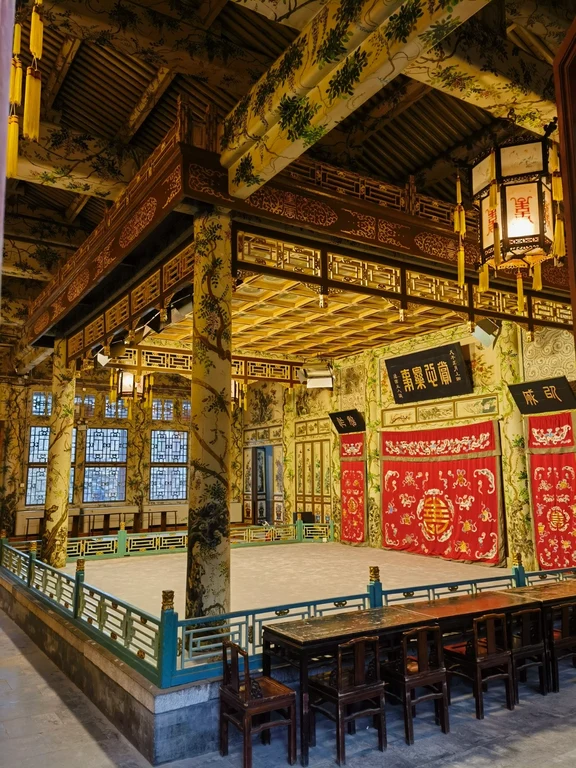
Huguosi is one of the most representative of the old Chinese food names, and the stop visitors treat as a museum of Beijing snacks. It carries more than a hundred traditional items at low prices, which makes it the one place to eat across the whole repertoire.
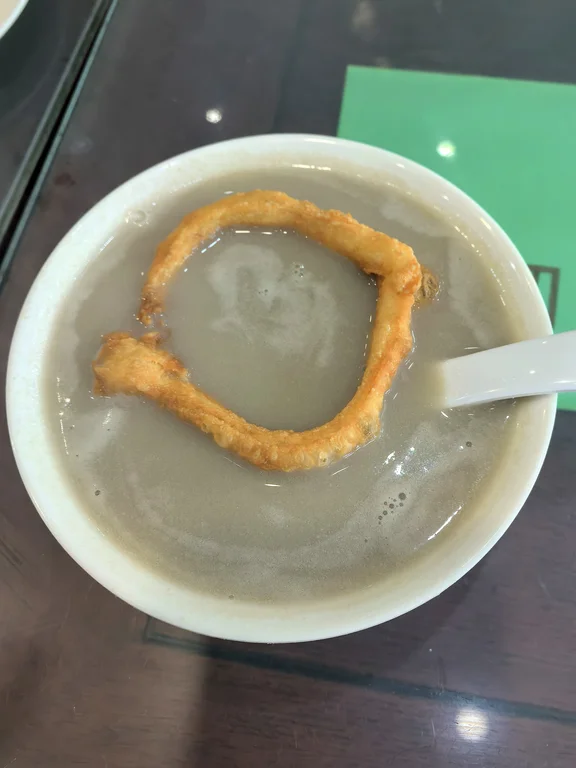
- Douzhi with jiaoquan
- The old Beijing pairing. Douzhi is fermented mung bean, sour and particular; the crisp ring and shreds of pickle are there to balance it. If it is new to you, sip it warm and give yourself time.
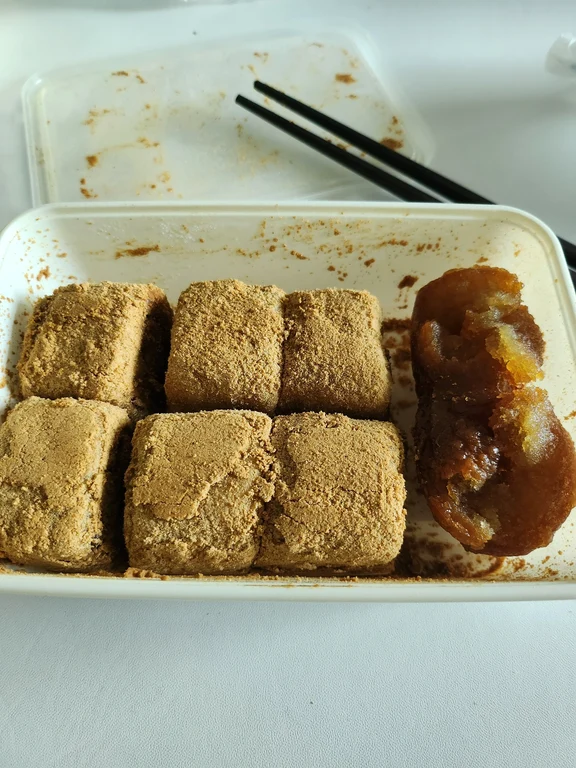
- Lvdagun
- Millet-flour roll around red bean paste, dusted with roasted soybean flour. Soft, a little chewy, sweet without being cloying. The name means a donkey rolling in the dust, after the way the flour goes on.
- Pea cake
- A palace pastry from the Qing court: peeled white peas cooked down and set cold. Pale yellow, cool and fine, gone as soon as it is in your mouth.
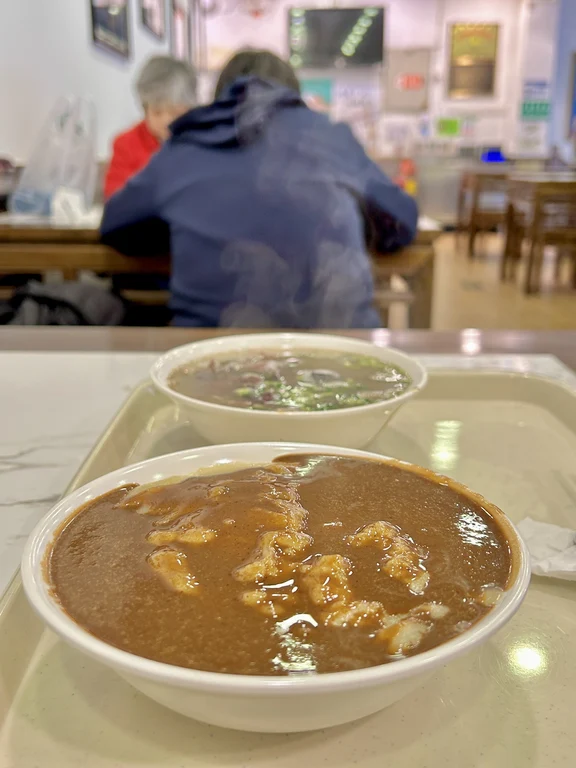
- Miancha
- Millet porridge under a thick layer of sesame paste and a scatter of salt and pepper. The proper way is without a spoon: hold the bowl and drink around the rim, so the paste and the porridge come together.
- Aiwowo
- Snow-white glutinous rice around walnut, sesame and green plum. Soft and lightly sweet, and better cold.
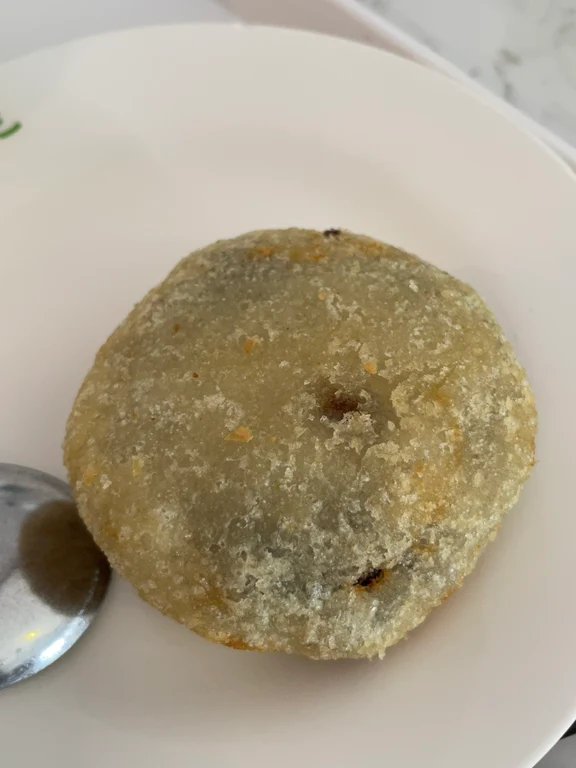
- Cream fried cake
- Crisp outside, light within, with a faint taste of cream. Dipped in sugar it eats like ice cream, which is why children take to it.
Where it comes from
It goes back to the Huguosi temple fair in the Yuan dynasty, more than three hundred years. In 1956 the city gathered a dozen or so of the fair's best-known stallholders — the tea-soup Ying, the steamed-cake Nian among them — and opened them as the Huguosi snack shop at number 93, next to the temple. In 2009 its halal snack-making technique was listed as municipal intangible cultural heritage.
The shop and getting there
- The original address
- 93 Huguosi Jie in Xicheng, opposite the People's Theatre.
- Getting there
- Line 4 or Line 6 to Ping'anli, then about five minutes on foot from Exit B.
- Hours
- Generally 6:30 to 21:00.
- Branches
- It has run as a chain since 1997 and now has several branches in Beijing. The original carries the fullest range, though the core items are available at some of the others.
Practical notes
- Go off-peak
- Between 7:00 and 8:30 the local regulars fill the place and seats are hard to find. After nine, or around ten, is a better visit.
- On the douzhi
- The taste is particular — some call it sour and rank. Do not drink it down on a first attempt. Sip, with the ring, and if it is not for you, leave it: the pea cake and the lvdagun suit most people better.
- Do not stir the miancha
- Never stir miancha with a spoon. The pleasure is in the paste and the porridge staying separate; drink it around the rim.
- Take some away
- Besides the snacks made on site, there is braised beef and the sweet sesame cake to take away, which makes a reasonable gift.
On the same walk
Having eaten, the hutongs around it are worth an hour, for the older Beijing:
- Mei Lanfang's house
- A short walk from the shop, and where you learn who Mei Lanfang was and what he did with the form.
- Prince Gong's Mansion
- The largest princely mansion of the Qing, also close, and worth it if old buildings are why you came.
- Beihai Park
- Walking distance, or a few minutes on a shared bike. A good place to walk off lunch, or to take a boat out.