Transport and payment in Beijing are now convenient for international visitors. Prepare the phone apps and a payment method before travelling, and getting around becomes much more straightforward.
Apps to prepare
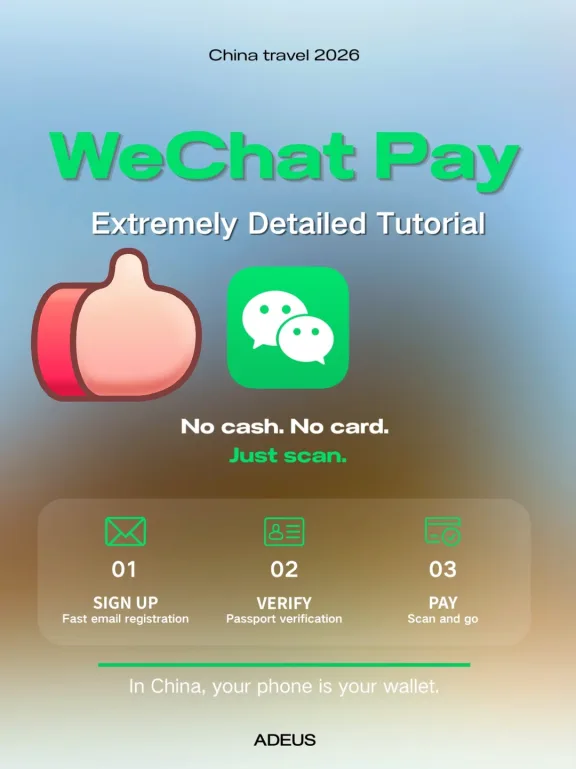
- Alipay or WeChat
- Download one in advance, complete real-name verification with your passport and link an international credit card such as Visa or Mastercard. These are central tools for payment and public transport.

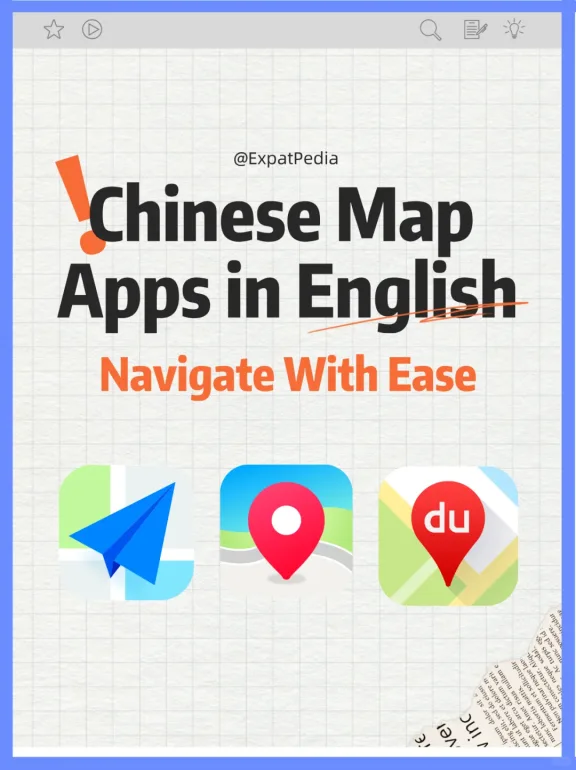
- Baidu Maps or Amap
- Use them for metro routes, bus transfers and walking directions, or to request a car inside the map app. English interfaces are available.
- Jingtong
- Beijing's official services platform offers an English version and 16 languages including Chinese, English, Russian and Korean. Its 39 services include ride-hailing, tickets and hotel booking.
- Yitongxing
- We recommend this app for unlimited one-, two-, three- or seven-day metro passes, suited to visitors using the metro very frequently.
Ways to pay
- Link an international card
- Link a Visa, Mastercard or another international credit card in Alipay or WeChat. Transactions up to CNY 200 may incur no fee, with a 3% fee above that amount. Check the fee shown by the app when paying rather than relying on a fixed rule.
- Tap a contactless international card at metro gates
- Beijing accepts eligible contactless international cards at metro gates. Use an overseas-issued Visa or Mastercard credit or debit card, or one linked to Apple Pay or Google Pay; the fare is charged automatically without downloading a local app. Check your card's eligibility and any later additions such as JCB before relying on them.
- Metro and bus QR codes
- After linking an overseas bank card in Alipay, open Transport on the home screen, set the location to Beijing and activate the relevant bus or rail-transit QR code. Each passenger must use their own valid code: our phrase 'supports multiple passengers' must not be read as reusing one code at the gate.
- BEIJING PASS
- For international visitors, this multipurpose travel card is available with a passport at airports and designated outlets. Once topped up, it can be used on buses and the metro, with 76 cultural attractions and 53 retail locations listed as participating.
- Cash as a fallback
- Although QR payment is widespread, we recommend carrying CNY 500–1,000 in small denominations for older facilities or small vendors that may not accept mobile payment.
Using the metro
The recommended everyday option
- Coverage and signs
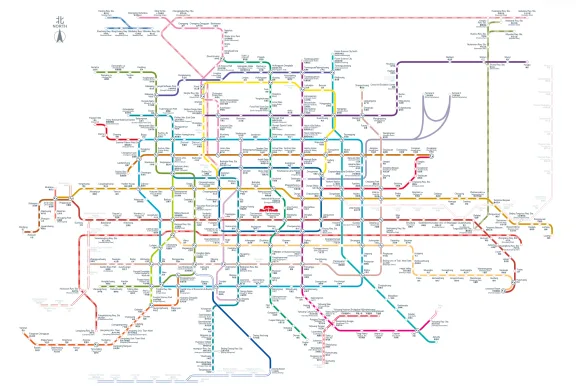
- The extensive network covers most major sights: Line 1 serves Tiananmen East and Line 4 serves the Summer Palace. Stations have clear Chinese and English signs.
- Scan in and out
- Use the appropriate Alipay or WeChat transport QR code at entry and exit instead of queueing for a ticket.
- Single-ride tickets
- If none of those methods works, use a station ticket machine with its English interface. Cash or international cards can be used for a single-ride ticket.
- Fares and busy hours
- For reference, a typical fare of CNY 3–9, calculated by distance. Avoid the busiest periods, approximately 07:30–09:30 and 17:00–19:30, if crowds are a concern.
- Translation help in stations
- Multilingual translation devices are installed at more than 300 major stations, including Nanluoguxiang and Wangfujing, offering assistance in languages such as English and French.
- Children's fares
- Children under 1.3 metres travel free with an accompanying adult; children above that height need their own ticket or QR code.
Buses and cars
Using the bus
- Bus fares and QR payment
- Fares start at CNY 2 and Alipay's bus QR code is accepted. Beijing buses use distance-based fares, so scan on boarding and again when leaving; missing the exit scan results in the maximum fare for the full route.
- Bilingual announcements
- Beijing's city bus routes have Chinese and English stop announcements to help passengers follow the journey.
Taxis and ride-hailing
- Request a car in English
- Use the ride-hailing functions in Amap or Baidu Maps, or an English-language app such as Didi or Shouqi Yueche. These support international cards. If language is a barrier, ask the hotel front desk to request a car by phone.

- Hailing a taxi on the street
- Keep the destination written in Chinese or saved as a screenshot to show the driver. Some taxis accept international cards, but carry a small amount of cash in case the driver's equipment does not.
Airports and railway stations
- Capital Airport (PEK)
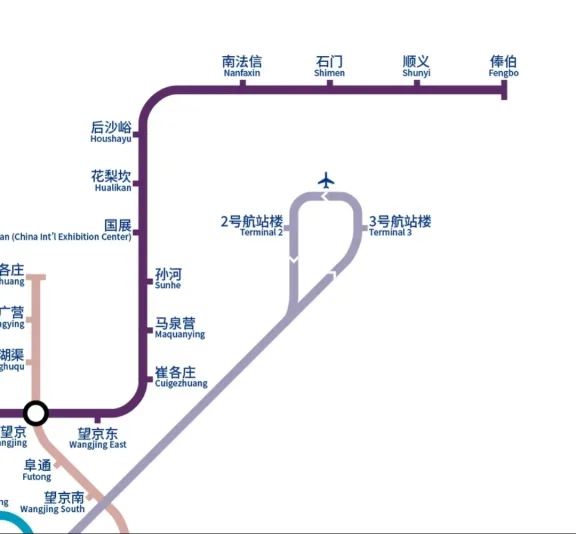
- For reference, approximately 30 minutes and CNY 35 by Airport Express, about CNY 30 by airport bus, or CNY 100–150 and around an hour by taxi depending on traffic. The Airport Express connects with the city metro at Dongzhimen. Confirm the current fare before travelling.
- Daxing Airport (PKX)
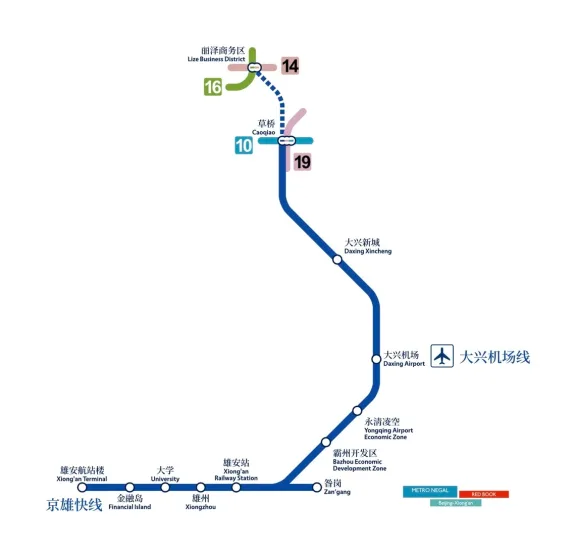
- Take the Beijing–Xiong'an intercity railway to Beijing West, about 20 minutes, or the Daxing Airport Express, which connects with the city metro at Caoqiao. A taxi to the city is quoted at around CNY 200 and an hour.
- Railway stations
- Beijing, Beijing South and Beijing West stations are all connected to the metro. With substantial luggage, we recommend a taxi or pre-arranged ride-hailing car.
Practical preparation
Details worth preparing
- Verify your identity before travelling
- Complete Alipay or WeChat identity verification and card linking before departure, or when first connected to Wi-Fi on arrival, rather than leaving it until you need to pay.
- Tell your card issuer
- Before departure, tell your card issuer that you will be travelling in China to reduce the chance of its fraud controls blocking transactions.
- One QR code per passenger
- Each passenger needs their own transport QR code. Do not reuse one code for several people, as this can cause an abnormal entry or exit record.
- Download maps for offline use
- Download Beijing maps for offline use while connected to Wi-Fi, so navigation is still available where the signal is poor.
- Choose a navigation app that works locally
- Google Maps can be unreliable for positioning and route planning in Beijing. Use Amap or Baidu Maps, with some English support, or Apple's built-in Maps app.