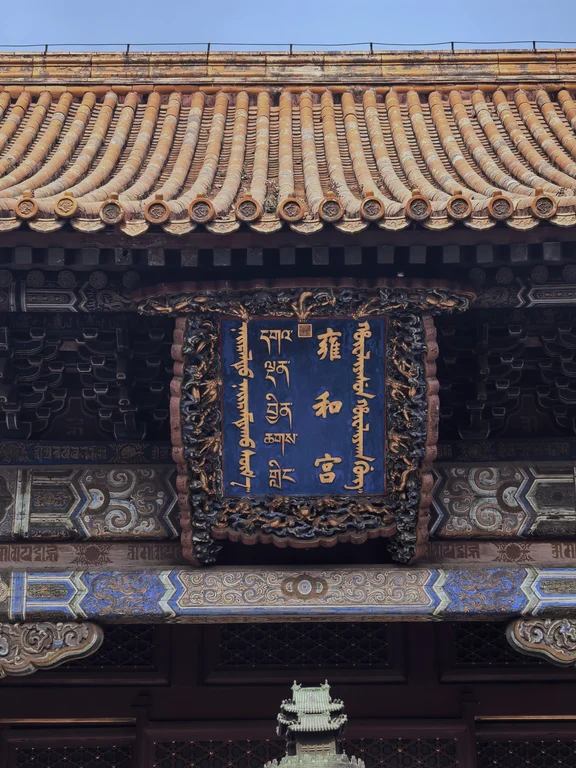
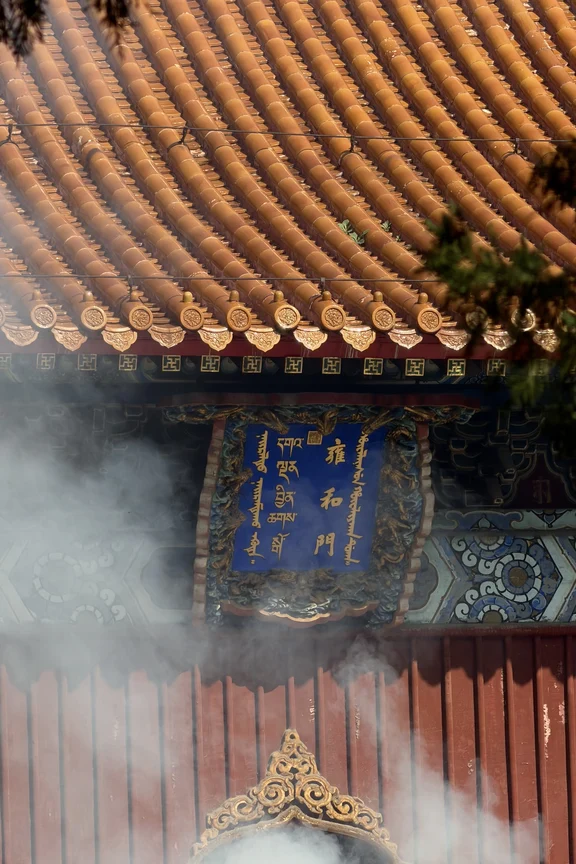
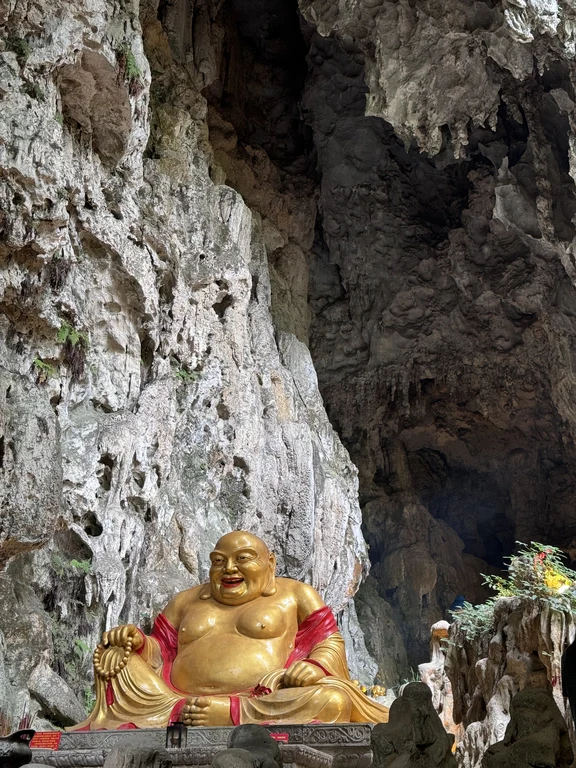
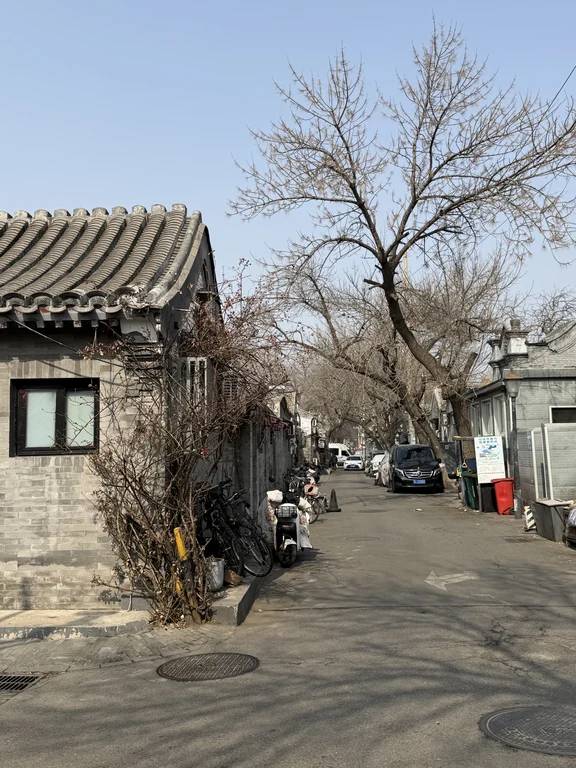
Yonghegong is the busiest royal Tibetan Buddhist temple in Beijing, called the place where dragons rested because two emperors came from it. It is built to imperial specification: yellow tiles, red walls. Worth going whether you came to make an offering or to look.
The basics, and getting there
- Address
- 12 Yonghegong Dajie, Dongcheng.
- Tickets
- 25 yuan; half price at 12 yuan for students and visitors over 60; free for children under six or under 1.2 metres.
- Booking
- Book by real name in advance through the Yonghegong visitor services WeChat account, and scan your ID card at the gate. On a public holiday there is effectively nothing available on the day.
Opening hours
- Summer and autumn (1 Apr – 31 Oct)
- 9:00 to 17:00, last entry 16:30.
- Winter and spring (1 Nov – 31 Mar)
- 9:00 to 16:30, last entry 16:00.
- Transport
- Line 2 or Line 5 to Yonghegong, Exit F, about three minutes on foot to the south gate. Do not drive: there is no parking anywhere near and the roads jam.
The route with no backtracking
Walk it clockwise and do not go back on yourself; it takes about an hour and a half to two hours.
- In at the south gate
- Through security, then collect the free incense from either side of the Zhaotai Gate — three sticks each. Do not buy the expensive incense being sold outside.
- Yonghe Gate hall, the Heavenly Kings hall
- Where people ask for things to go smoothly and for bad luck to be swept away.
- The Yonghe Hall, the main hall
- For earned wealth, for general fortune, and for the health of the whole family.
- The Yongyou Hall
- For health and safety, for misfortunes to be turned aside, and for long life for the elders.
- The Falun Hall
- For a turn in a career, for progress in study, and for passing the civil service or postgraduate exams.
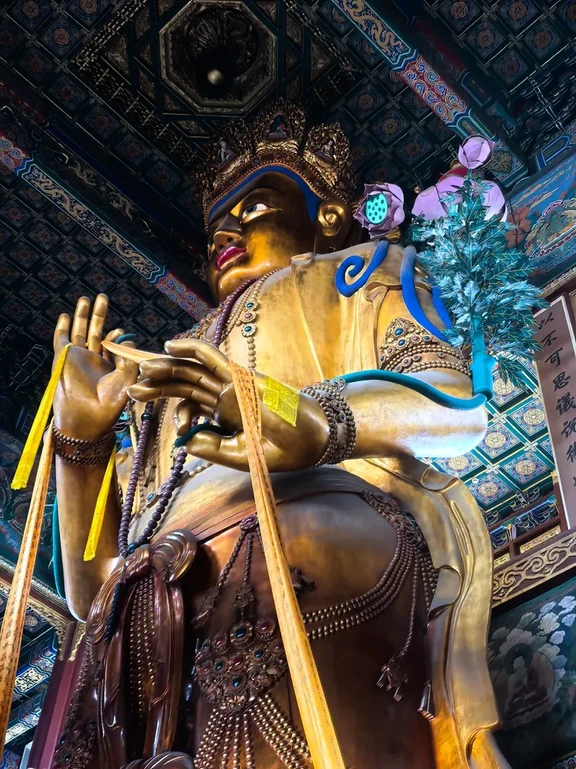
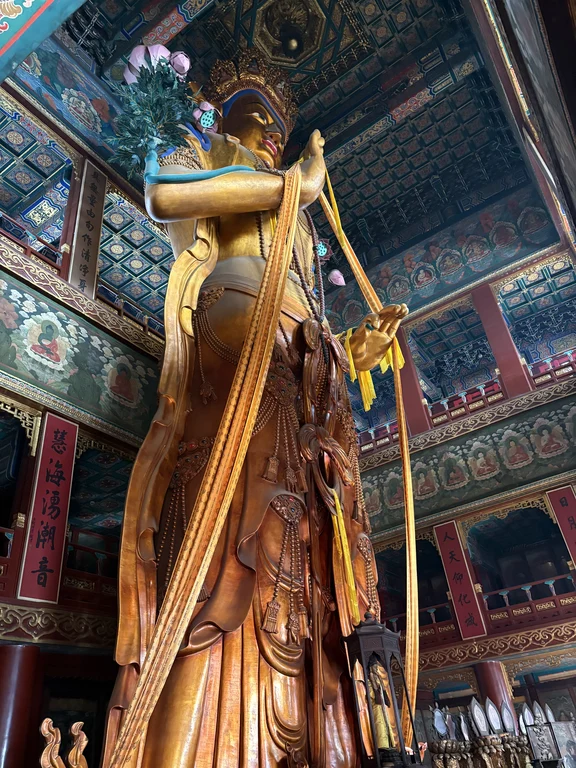
- The Wanfu Pavilion, the tallest building in the temple
- It holds a 26-metre Maitreya carved from a single sandalwood trunk. People come here for marriage, for a general change of fortune, and for peace.
- The Guanyin cave
- For harmony at home, and for children.
- The Suicheng Hall
- The last hall on the axis, where the wish is for things to be complete and for a safe journey home.
Which hall for which wish
- Career and study
- The Falun Hall, the west side hall with Manjushri, and the Kalachakra hall.
- Wealth
- The Yonghe Hall and the east side hall with the god of wealth.
- Marriage and family
- The Wanfu Pavilion and the Guanyin cave.
- Health and safety
- The Yongyou Hall and the Medicine Buddha hall.
- How to word a wish
- Say it silently and precisely: your name, where you live, exactly what you want, by when, and how you will give thanks. Vagueness is the thing to avoid — not 'bring me romance' but the kind of person you are actually asking for.
Incense, and how to behave inside
- Collecting and lighting incense
- Collect it free at either side of the Zhaotai Gate. If it lights with a flame, never blow it out with your mouth — fan it out with your hand.
- How to hold it
- Incense in the left hand, which is the clean one, the right hand underneath supporting it, raised above the brow. Bow to the main hall first, then turn clockwise through the four directions.
- Placing it
- Three sticks at each hall is enough, planted in the burner outside. Do not carry lit incense indoors.
- Going into a hall
- Step over the threshold, never on it — left foot first for men, right for women. Use the side doors; the centre opening is for monastics. Take off hats and sunglasses, and photography inside is not allowed at all.
- Prayer wheels
- Turn them clockwise, and walk clockwise around a Buddha image or a stupa.
Bracelets and blessing — where people get caught
- Buying a bracelet
- The official counters are usually west of the ticket gate, east of the Zhaotai Gate and west of the Yongyou Hall. Do not buy from roadside stalls, touts or resellers — those are counterfeit.
- About the blessing
- The blessing room is west of the Yongyou Hall and the blessing itself is entirely free. Anyone at the gate charging for a blessing or a reading is running a scam.
- Worth knowing
- Some of the official counters may be shut for renovation; the notice on site is what counts. If you brought your own bracelet, the monks in the blessing room will still bless it.
What is within walking distance
Having walked the temple, the streets around it are worth the rest of the afternoon.
- Wudaoying hutong
- About five minutes from the south gate on foot: coffee, craft shops and small food places — the place for an afternoon sit-down.
- Guozijian Street and the Confucius Temple
- Walkable, and the red walls closing in on both sides of the street are the photograph. It is the old imperial academy quarter.
- Beiluoguxiang
- The quieter counterpart to Nanluoguxiang: lanes to walk and photograph without a crowd.
What catches people out
- Dress
- Dress properly: no camisoles, no bare shoulders, no shorts or short skirts, no slippers.
- The best time
- Be at the gate for 9:00 on a weekday — fewer people and better light. Avoid the first and fifteenth of the lunar month, when the temple is packed shoulder to shoulder.
- Giving thanks
- If what you asked for happened, the custom is to come back within a year. Bring an odd number of fruits — one, three, five — or flowers, and hand them to a monk or leave them on the offering plate. Nothing is compulsory and nothing is charged.
- Security
- Bringing your own incense, candles or a lighter is not allowed; security will confiscate them or make you leave them.